Get a job. Make friends. Make a sale. Study abroad. Enjoy the world's best entertainment with English. Learn English speaking and grammar now with PhraseMix.
English is the key to unlocking many of these goals. PhraseMix makes it easier than ever to do what you want using English. Once you learn English speaking, communication will never be a problem. Also focus to learn English grammar so that your conversations become enhanced.

Have you tried to learn English the traditional way, but found that you still have trouble understanding people and speaking confidently?
This is a very common problem for English learners all around the world.
But it's not your fault. It's the way that you were taught English. We have a better way.

Instead of traditional vocabulary and grammar lessons, each PhraseMix lesson teaches you exactly what to say in a realistic, real-world situation.
There are thousands of lessons, covering situations like:
Instead of learning vocabulary and grammar separately, you will learn words, phrases, grammar, pronunciation, and culture all together in each lesson.
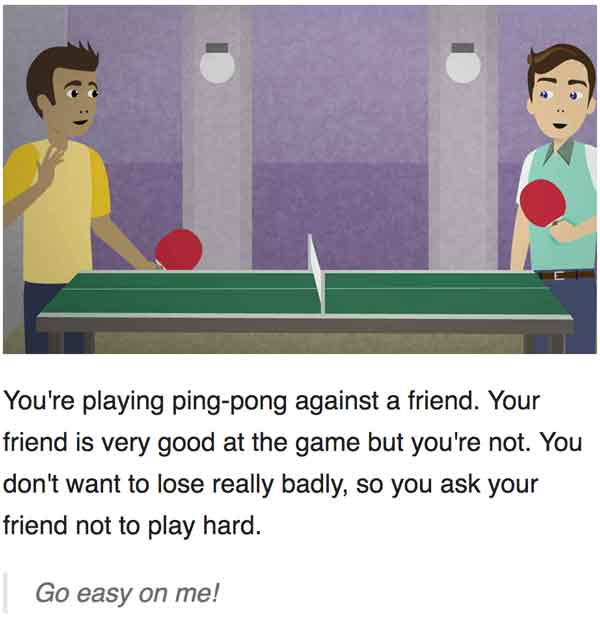
It's hard to stick with an English learning program because it takes a lot of time and attention. We've solved that problem with an easy-to-use audio player that takes away most of the work.
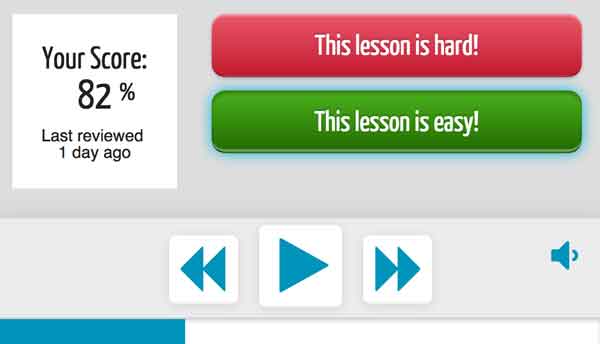
Just click the "play" button and listen to high-quality, natural audio recordings for each lesson. We keep track of what you've listened to, so we can make sure that you review phrases before you forget them.
Wondering what our lessons sound like? Click to try a sample!
PhraseMix.com is designed to be easy to use on any Internet-connected device: on your desktop, laptop, iPhone, Android phone, tablet, or Windows device.
Going somewhere with no Internet connection? No problem. Download our MP3 audio lessons and listen to them anywhere.