
“I don't blame you.”
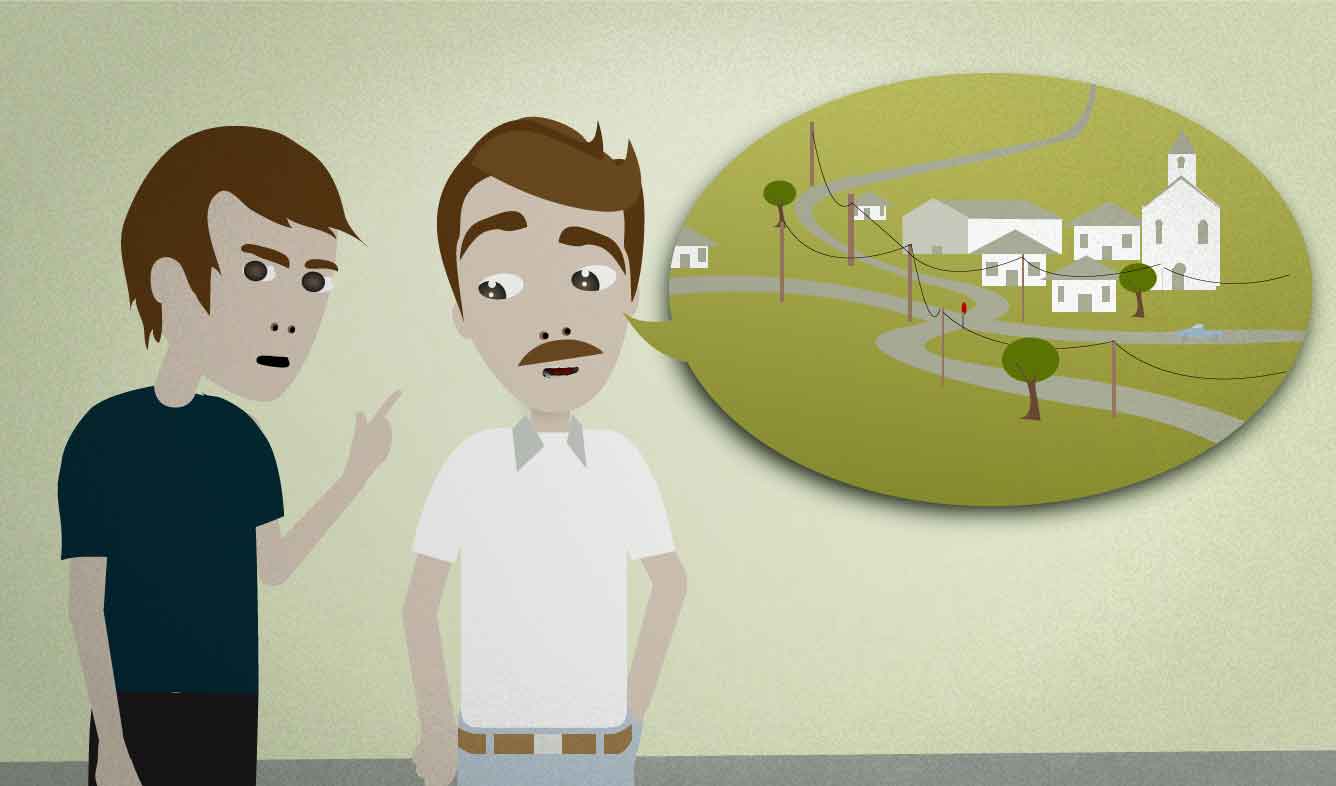
You live in a small town. You're talking to your teenage nephew, who lives in the same small town. He says he wants to move somewhere else as soon as possible. The town is boring, so you say this because you understand why he wants leave.
I don't blame you.
Want Video and Sound? Follow us on YouTube

I don't blame you
Say "I don't blame you" when you agree with someone's decisions or opinions, or can at least understand them.
Here are a few more examples of situations in which you can say "I don't blame you:
- A coworker says that she's going to file a report with the Human Resources department because her boss is making sexist jokes. You think that she should.
- Your sister is pregnant. She says that she doesn't want to continue working right up until she gives birth. She wants to quit her job and stay home for the last month of her pregnancy. You support your sister's decision.
- A friend of yours tells you that he has a crush on a beautiful woman. You agree that she is very attractive.
You might hear "I don't blame you" in a few other forms. One is "I don't blame you for ___ing":
I don't blame you for being mad at me.
I don't blame you for wanting to move somewhere more exciting.
I don't blame you for reporting him. He should get fired for that kind of behavior!
Another phrase that you might hear which is similar to "I don't blame you" is "I can't say that I blame you":
A: I'm tired of this town. I'm moving away as soon as I'm old enough.
B: Well, I can't say that I blame you.